Abstracts of the 22nd Meeting of the Interuniversity Institute of Myology
Vol. 36 No. s1 (2026): Abstract book of the Padua Days on Muscle and Mobility Medicine 2026
https://doi.org/10.4081/ejtm.2026.15002

Abstract 003 | Assessment of early-stage Parkinson's disease using HD-EEG and postural control response

Lorena Guerrini 1, Federica Pescaglia 1, Carmine Gelormini 1, Giorgio di Lorenzo 2, Paolo Gargiulo 1|3 | 1Institute of Biomedical and Neural Engineering, Reykjavik University, Iceland; 2Laboratory of Psychophysiology and Cognitive Neuroscience, Department of System Medicine, University of Rome Tor Vegata, Rome, Italy; 3Department of Science, Landspitali University Hospital, Reykjavik, Iceland.

Publisher's note
All claims expressed in this article are solely those of the authors and do not necessarily represent those of their affiliated organizations, or those of the publisher, the editors and the reviewers. Any product that may be evaluated in this article or claim that may be made by its manufacturer is not guaranteed or endorsed by the publisher.
Received: 2 March 2026
Published: 2 March 2026
144
Views
69
Downloads

Authors

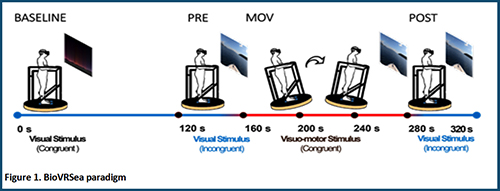
Early-stage Parkinson’s disease (PD) is frequently characterized by subtle neurophysiological alterations that precede overt motor symptoms, making early detection and objective assessment particularly challenging. Postural control (PC) impairment is among the earliest functional deficits in PD and reflects disrupted integration of sensory, motor, and cognitive processes. Electroencephalography (EEG), with its high temporal resolution, offers a powerful tool for capturing rapid neural dynamics underlying balance regulation. Oscillatory activity and functional connectivity in the alpha band have been closely linked to postural stability, sensorimotor integration, and attentional control. However, most EEG studies in PD have focused on resting-state conditions or static balance tasks, limiting insight into brain network dynamics during complex, ecologically valid postural challenges. [1-2] This study aimed to investigate alpha-band functional brain connectivity and dynamic brain network states (BNSs) during a visuomotor postural control task in individuals with early-stage PD, using a high-density EEG (HD-EEG) framework combined with the BioVRSea paradigm. BioVRSea provides a dynamic and immersive balance task that integrates visual perturbations and motor demands, enabling the detection of subtle neural adaptations that may not be captured by conventional postural assessments. The findings highlight altered alpha-band brain network dynamics in early-stage PD, supporting the potential of BioVRSea and EEG-based BNS metrics as early neurophysiological markers of postural instability. [3]

Abs003.jpg

Downloads

Download data is not yet available.

1. M. Recenti, et al., “Advancing clinical evaluation and diagnostics with artificial intelligence technologies”, 2023.

2. Pegolo E, Volpe D, Cucca A, Ricciardi L, Sawacha Z. Quantitative evaluation of hypomimia in Parkinson's disease: a face tracking approach. Sensors (Basel). 2022;22(4):1358. DOI: 10.3390/s22041358

3. Nagabhushan Kalburgi S, Kleinert T, Aryan D, Nash K, Schiller B, Koenig T. MICROSTATELAB: The EEGLAB Toolbox for Resting-State Microstate Analysis. Brain Topogr. 2024;37(4):621-645. DOI: 10.1007/s10548-023-01003-5.

How to Cite


1.
Gargiulo P. Abstract 003 | Assessment of early-stage Parkinson’s disease using HD-EEG and postural control response: Lorena Guerrini 1, Federica Pescaglia 1, Carmine Gelormini 1, Giorgio di Lorenzo 2, Paolo Gargiulo 1|3 | 1Institute of Biomedical and Neural Engineering, Reykjavik University, Iceland; 2Laboratory of Psychophysiology and Cognitive Neuroscience, Department of System Medicine, University of Rome Tor Vegata, Rome, Italy; 3Department of Science, Landspitali University Hospital, Reykjavik, Iceland. Eur J Transl Myol [Internet]. 2026 Mar. 2 [cited 2026 May 7];36(s1). Available from: https://www.pagepressjournals.org/bam/article/view/15002